
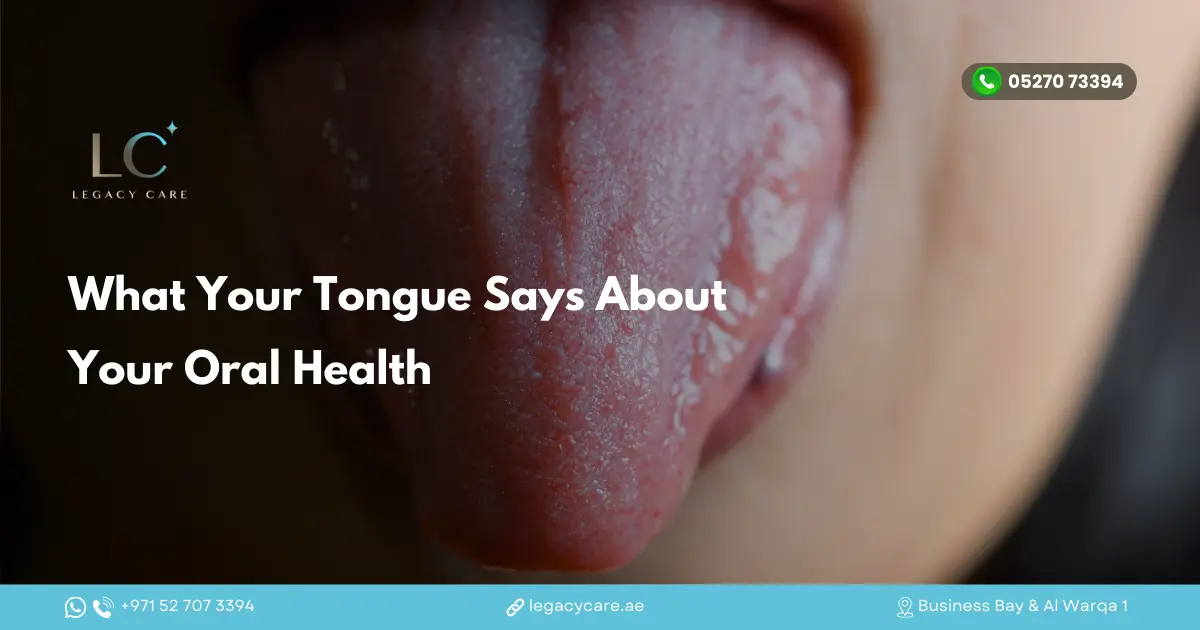
Most people brush their teeth every day. Some floss. A few even use mouthwash regularly. But the tongue? It’s often ignored. And that’s surprising, because as a dentist, I can tell you this — your tongue reveals a lot about what’s happening inside your mouth.
Many times, patients come in worried about a tooth. But before I even look at it, I look at the tongue. Color. Texture. Coating. It gives clues. Quiet ones. Ones your teeth don’t always show.
Let’s talk about what your tongue might be trying to tell you.
A Healthy Tongue: What It Should Look Like
A healthy tongue is usually light pink. It may have a thin white coating, especially in the morning. That’s normal. The surface should look slightly bumpy because of taste buds, but not cracked, sore, or swollen.
If your tongue looks like this and feels comfortable, that’s a good sign. But changes — even small ones — are worth paying attention to.
White Coating on the Tongue
This is one of the most common things patients ask about.
A thick white layer on the tongue often means poor oral hygiene or dry mouth. Mouth breathing, dehydration, smoking, or skipping tongue cleaning can cause this.
In some cases, it could be oral thrush, a fungal infection. This is more common in people with diabetes, those using inhalers, or after antibiotics.
If the coating doesn’t go away with regular brushing and tongue cleaning, it’s time to get it checked.
Yellow or Brown Tongue
A yellow tongue usually points to bacteria buildup. Smoking, coffee, tea, and poor oral hygiene are common reasons.
A brown or dark coating can look scary, but it’s often linked to smoking, excessive coffee, or a condition called “hairy tongue.” It sounds worse than it is. It happens when dead cells don’t shed properly and bacteria get trapped.
The fix is often simple. Better cleaning. Hydration. And cutting back on habits that stain.
Red or Inflamed Tongue
A bright red tongue can sometimes mean inflammation or a vitamin deficiency, especially B12 or iron. In other cases, it could be irritation from spicy foods, allergies, or infections.
If the tongue feels sore, burns, or looks unusually smooth and red, don’t ignore it. Many patients think it’s nothing. But it’s often the mouth asking for attention.
Cracks and Fissures
Some people naturally have a fissured tongue. Deep grooves or cracks that don’t hurt. That’s usually harmless.
But food and bacteria can collect inside those cracks. Which can lead to bad breath or irritation if the tongue isn’t cleaned properly.
Gentle brushing or a tongue scraper helps a lot here.
Pain, Ulcers, or Lumps on the Tongue
This is important.
Small ulcers that heal in a week or two are usually nothing serious. Stress, biting the tongue, or spicy foods can cause them.
But if you notice a sore, lump, or patch on your tongue that doesn’t heal after two weeks, please don’t wait. Get it checked. Early evaluation matters.
Most of the time, it’s harmless. But it’s always better to be sure.
What Your Tongue Says About Bad Breath
Bad breath often starts on the tongue, not the teeth.
Bacteria love the rough surface at the back of the tongue. That’s why brushing only your teeth isn’t enough. If your breath doesn’t feel fresh even after brushing, your tongue is likely the reason.
Cleaning it daily makes a big difference. Patients are often surprised how much fresher they feel after doing this consistently.
How to Take Care of Your Tongue
Tongue care doesn’t need anything fancy.
Brush it gently once a day. Use a tongue scraper if you prefer. Don’t scrub hard. Be gentle.
Drink enough water. Dry mouth makes tongue issues worse.
Avoid smoking. It affects tongue color, texture, and healing.
And if something looks or feels unusual for more than a few days, don’t self-diagnose. Let a dentist take a look.
Why Dentists Look at the Tongue First
Your tongue reacts quickly to changes in your body and mouth. Infections. Hygiene habits. Nutrition. Even stress.
That’s why we don’t see it as “just a tongue.” It’s part of your overall oral health story.
Many serious dental and medical issues show early signs there. Catching them early makes treatment easier and outcomes better.
Final Thoughts
Your tongue speaks — just not in words.
It shows signs before pain starts. Before damage becomes serious. Before problems spread.
So next time you brush, take a second to look at it. Really look. And if something feels off, trust that instinct.
We’re always here to help you understand what your mouth is trying to tell you.
📍 Book a visit at Business Bay or Al Warqa 1
📞 Call +971 527073394
📅 Book Online: https://www.legacycare.ae/book-appointment/